Business transformation is difficult. Most organizations struggle to achieve transformational and sustainable change regardless of the amount of time and resources expended on the effort.
Transformational BPR requires engaging people, processes and technology across the enterprise from 360° - at the tactical, operational and strategic layers of the organization.
The Tactical Layer - The tactical layer of an organization is composed of many interrelated work activities, workflows and supporting policies, procedures, technologies and the hands-on staff performing the work activities. The tactical layer is complicated because all of these interrelated elements must work as cohesive processes to create value for an organization.
The Operational Layer – The operational layer of an organization includes the organization structure (functions and reporting hierarchies), the supervisory and managerial roles, and the network of horizontal relationships across the organization. The operational layer of an organization is complex because of the dynamic interactions among and subjective decisions made by the operators (supervisors and managers).
The Strategic Layer - The strategic layer of an organization identifies and analyzes shifts and changes in the business environment – and enables the operational and tactical layers to respond and adapt business to these shifts and changes. Successful organizations create business chaos at the strategic layer of the organization.
Organizations are complicated, complex and chaotic. Organizations that embrace and successfully manage the chaos associated with continual shifts and changes in their business environment thrive regardless of the relentless waves of shifts and changes.
Transformational BPR is essential to organizations that encounter a major shift or change in an organization’s business environment – or risk going into decline.
The 10 types of recurring shifts and changes in the business environment that require transformational BPR include:Periods of Rapid Growth
- Enterprise Application Software Initiatives
- Regulatory Compliance
- Process Outsourcing & Shared Services
- Leaning / Flatting the Organizational Hierarchy
- Mergers & Acquisitions
- Divestitures / Going Private
- Pre-IPO / Early Post IPO
- Graying of the Workforce / Talent Acquisition
- Organizational Renaissance




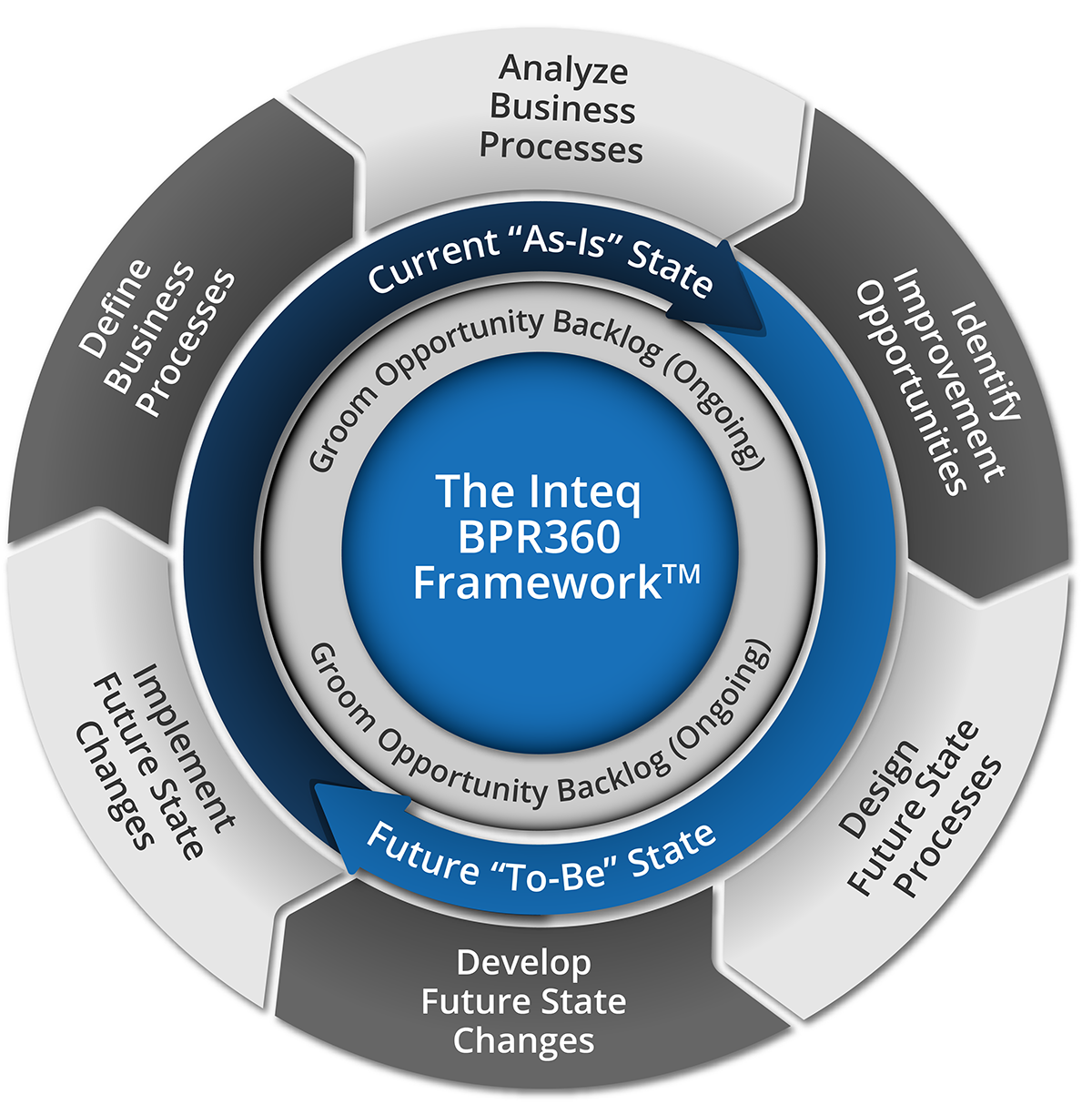
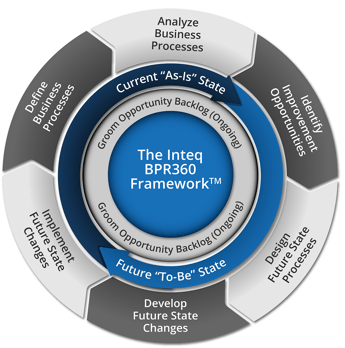 The Blueprint for Business Transformation

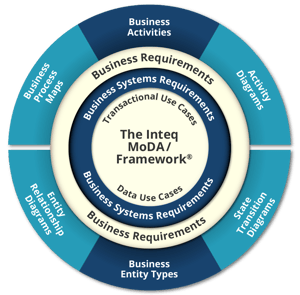
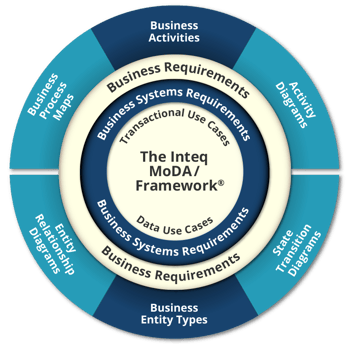 The Toolkit for Business Requirements Analysis Delivering Speed, Quality and Agility

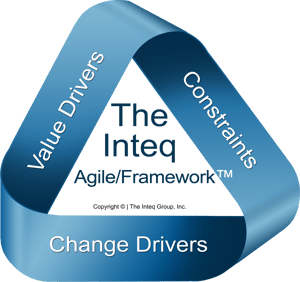 The Roadmap for Agile Business AnalysisEnabling Rapid Transformation of Business Requirements into Business Value